


White-label food ordering means licensing a prebuilt ordering platform and rebranding it as your own website, app, or Telegram channel. The upside is real: you own the customer data and skip the 30% marketplace cut. It is the right call once you have steady order volume and the appetite to handle your own marketing. If you're still building your first customer base, a marketplace listing might serve you better for now.
***
TL;DR:
>
- White-label platforms eliminate marketplace commissions, allowing restaurants to retain full revenue and customer data but require sufficient order volume and marketing capacity. - Essential features include a branded website, native apps or messaging bots, POS and courier integrations, and CRM tools, with thorough testing before launch. - Moving from marketplace apps to white-label reduces costs, ownership of customer relationships, and enables loyalty programs, but involves upfront setup and ongoing marketing efforts. - Implementation time varies from days for simple setups to several weeks for multi-location businesses with complex integrations. - RESTOBOT offers a zero-commission, quick-launch solution with omnichannel ordering, courier support, and full branding, suitable for restaurants ready to own their customer acquisition.
***
Table of Contents
- What Is White Label Food Ordering, and Why Does It Matter Now?
- What Features Should a White Label Ordering Platform Include?
- How Does White Label Ordering Compare to Marketplace Apps?
- How Do You Launch a Branded Ordering System, and How Long Does It Take?
- What Does White Label Ordering Cost, and How Should You Budget?
- What Integrations Keep a White Label System From Creating Manual Work?
- What Questions Should You Ask Before Choosing a Vendor?
- How RESTOBOT Fits This Checklist
- Which Path Actually Fits Your Restaurant Right Now?
- How to Get Started With RESTOBOT
- Sources
- FAQ
What Is White Label Food Ordering, and Why Does It Matter Now?
White-label food ordering is software, not a physical product. That distinction trips people up more than it should. You're licensing an ordering engine, then putting your logo, colors, and domain on top of it, which is a completely different transaction than sourcing private-label meal kits or packaged goods from a manufacturer.

The two get confused constantly because they share the word "label." Private label means someone else makes a physical product and slaps your name on the box. White label means you're renting the engine that runs your digital storefront. Procurement teams that mix up which one they're buying often end up signing the wrong kind of contract entirely.
Owning that data changes what you can do with a customer. You know who ordered, what they bought, and how often they come back, so a birthday promo or a loyalty nudge becomes possible in a way it never is on a marketplace app.
White label isn't for everyone, though:
- Low order volume that can't cover a monthly subscription
- No budget or staff time for your own marketing and acquisition
- A business model that depends on marketplace discovery traffic
What Features Should a White Label Ordering Platform Include?
A serious platform gives you the customer-facing pieces and the back-of-house controls at the same time. Vendors that only nail one side leave you patching gaps with spreadsheets.
Expect this baseline, drawn from what most white-label ordering products ship as standard:
- A branded website and ordering widget your customers actually recognize as yours
- Native apps or a lightweight alternative like a Telegram ordering bot
- A kitchen display system and order routing for multi-location control
- POS sync so orders don't need re-typing into a separate system
- A payment gateway (commonly Stripe) that handles cards and often other methods
- Courier API connections for dispatch without a phone call to a driver
- Loyalty cards, push notifications, and basic CRM reporting
Pro Tip: *Ask to see the kitchen display and order routing screens before you sign anything. A platform that looks great on the customer side but forces staff to manually re-key orders into your POS will cost you more in labor than it saves in commission.*
How Does White Label Ordering Compare to Marketplace Apps?
The math starts with commission. Marketplace apps like the big delivery aggregators typically take around 30% of the order total, and once processing fees stack on top, the real hit can run close to 40%. A subscription-based white-label setup drops that platform commission to zero, though a payment processor like Stripe still charges its standard card fee. That's a structural difference, not a promotional one.
Here's what shifts when you move off a marketplace:
- Margin: No per-order cut means the food revenue is yours; only the delivery fee (if you use a third-party courier) goes elsewhere.
- Customer ownership: You get names, emails, and order history instead of an anonymous "Customer #4821."
- Marketing load: You now own acquisition. Nobody's app traffic brings you strangers anymore.
- Delivery logistics: You choose your courier integration instead of accepting whatever the marketplace assigns.
Owning that customer list is what makes loyalty programs and repeat-order campaigns possible at all. It's also what makes cutting reliance on Wolt or Bolt commissions a realistic goal instead of a slogan.
How Do You Launch a Branded Ordering System, and How Long Does It Take?
Vendors love to promise launches "in a day." Some pieces genuinely move that fast. Others don't, and the gap usually comes down to how many integrations and custom pieces you're asking for, since realistic time-to-live tracks with integration complexity, not marketing copy.
- Define scope. Decide which POS, payment gateway, and courier service you're connecting on day one. Adding a fourth integration later always takes longer than planning for it up front.
- Prioritize checkout speed. Every extra tap between menu and payment costs you orders. Keep the customization tasteful; a flashy design that confuses a hungry customer loses the sale.
- Handle technical setup. Connect your domain or publish the app, import your menu with accurate pricing and modifiers, and wire up the payment gateway.
- Run a test order. Place a real order through the full flow, from checkout to kitchen ticket to delivery handoff, before staff ever see it live.
- Train staff, then launch in phases. Start with one location or a soft launch window, watch the order flow for a week, then open it up fully.
Simple setups with one POS and one courier can go live within days. Multi-location rollouts with custom app-store publishing routinely take several weeks.
What Does White Label Ordering Cost, and How Should You Budget?
Pricing shows up in two shapes: a flat monthly subscription or a per-order commission, and the two suit different businesses. High-volume operators usually save with a subscription; a brand-new location testing the waters might prefer a smaller commission-based plan until volume justifies the flat fee.
Budget for these categories separately so vendor quotes are easy to compare:
- One-time fees: setup, custom integration work, and app-store publishing if you want native apps
- Recurring platform cost: the subscription tier itself, scaled to feature set and location count
- Payment processing: card fees from your gateway provider, which apply regardless of platform
- Courier charges: paid by the customer in most setups, but confirm who eats the fee on refunds
- Marketing budget: your own acquisition spend, since a marketplace's built-in traffic disappears
Calculate breakeven by comparing your current marketplace commission spend against the subscription cost plus a realistic marketing budget. Most multi-location operators cross that line faster than they expect.
What Integrations Keep a White Label System From Creating Manual Work?
A platform that isn't wired into your existing systems just moves your paperwork online instead of eliminating it. The most common failure mode is treating the software as something you set up once and forget, when in reality ongoing POS and courier API support is what keeps orders flowing without manual re-entry.
Four integrations do most of the heavy lifting:
- POS and menu sync: prevents double entry and the pricing mismatches that come from updating a menu in two places
- Delivery dispatch: either built-in dispatch or a handoff to a third-party courier network
- Payment gateway: Stripe or an equivalent, with card fees that apply no matter which platform you choose
- Vendor support: training during onboarding and a support line for when something breaks at 7 p.m. on a Friday
Pro Tip: *Before signing a contract, ask the vendor to run a live test order on a staging account, from checkout through to a kitchen ticket. If they hesitate, that's your answer about how solid the integration actually is.*
What Questions Should You Ask Before Choosing a Vendor?
A short checklist here saves you from a six-month contract you regret. Run through these before signing anything.
- Who owns the customer data, and can you export it in a usable format if you leave?
- What's the full pricing picture, including setup fees, cancellation terms, and any hidden per-order charges?
- Which POS systems, payment gateways, and courier services does the platform actually integrate with today?
- What's the onboarding timeline, and what support SLA backs you up after launch?
- Does the platform support staff tipping features, and does the vendor take a cut of those tips?
Vendors that dodge the data-ownership question or get vague about cancellation terms are worth a second look before you commit.
How RESTOBOT Fits This Checklist
RESTOBOT was built around the exact trade-offs this guide walks through. Site creation happens automatically once an application is confirmed, so most establishments are ordering-ready within a day, not weeks. Ordering runs omnichannel through a branded website and a Telegram bot, alongside digital loyalty cards for Apple and Google Wallet.
On the money side, RESTOBOT charges zero commission on orders and zero commission on tips, running instead on a fixed monthly subscription. Delivery routes through third-party couriers like Wolt Drive, with the delivery fee paid by the customer, not deducted from the restaurant's food revenue.
- Instant site creation with a branded domain and full menu customization
- Omnichannel ordering: website plus a Telegram bot alternative to a native app
- Zero-commission orders and zero-commission staff tipping, even for workers whose restaurant isn't a RESTOBOT customer
- Courier integration through partners like Wolt Drive, plus POS and payment support
Which Path Actually Fits Your Restaurant Right Now?
White label makes sense once you're ready to fund your own acquisition and own the operational grind that comes with it. If your order count is still thin and marketing feels like a stretch, staying on a marketplace a little longer is a reasonable, unglamorous choice.
Most operators land on a hybrid path anyway: keep the marketplace listing for discovery, build the branded channel in parallel, and shift loyal customers over as your own ordering volume grows. Nobody flips a switch overnight, and treating it as a gradual migration beats treating it as a leap.
*— ADMIN*
How to Get Started With RESTOBOT
If the math in this guide has you rethinking your marketplace bill, RESTOBOT gets you a branded ordering site live within a day of your application being confirmed, no development team required. You keep 100% of your food revenue since RESTOBOT charges zero commission on orders and zero commission on staff tips, running instead on a flat monthly subscription you can actually forecast.
Setup covers your website, embedded menu, omnichannel ordering through the web and a Telegram bot, loyalty cards for Apple and Google Wallet, and courier coordination through partners like Wolt Drive. For a look at how digital ordering strategy plays out at scale, the Wendy's app rewards and mobile ordering breakdown is worth a skim.
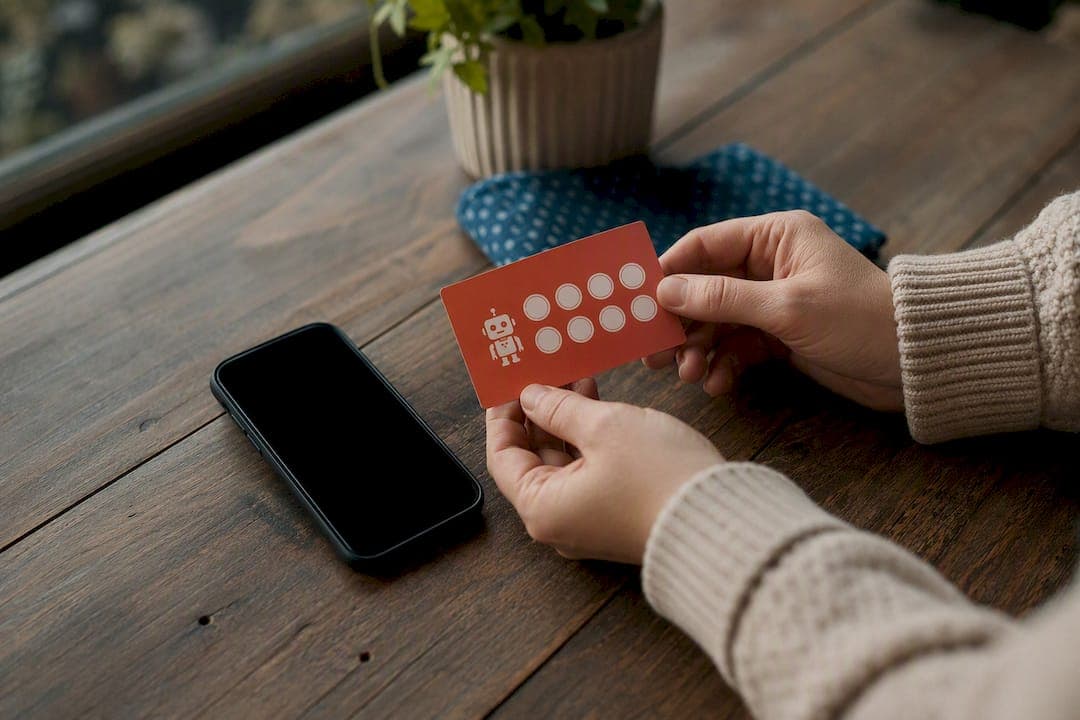
Ready to see it running for your own menu? Start your RESTOBOT setup and get your branded ordering channel live this week.
Sources
FAQ
What Is the Best App for White Label Food Delivery?
There's no single universal answer since the right platform depends on your order volume, courier needs, and integrations. Look for one with proven POS sync, courier API support, and a zero-commission model like RESTOBOT rather than judging by app-store polish alone.
What Are White Label Food Products?
White label food products are a separate concept from ordering software. They're physical goods, like packaged meals, manufactured by a third party and sold under your brand, which involves less exclusivity than fully private-label manufacturing.
What Is the Highest-Paid Delivery Service?
Pay for delivery couriers varies by market, courier type, and demand, and no single service holds a universal top rank across regions. What matters more for restaurant owners is the commission structure, since marketplace delivery apps typically take close to 30% of the order total plus fees.
Can You Give an Example of a White Label App?
A white-label food ordering app is a licensed ordering engine rebranded with a restaurant's own logo, colors, and domain, such as a platform that builds a branded website and Telegram ordering bot for an individual restaurant under that restaurant's own name.